
Destination Safety Management is an essential yet often overlooked component of sustainable tourism and outdoor recreation. While destination promotion and tourism development continue to attract visitors and increase destination popularity, an equally important question remains: are these destinations sufficiently prepared to receive and protect them?
There is a growing need to balance tourism promotion with actual destination readiness, including infrastructure, safety regulations, visitor management, emergency preparedness, and environmental management. Drawing from preliminary surveys at Ciletuh Geopark and Labuan Bajo for school outdoor education programs, this article explores the gaps in destination-level safety management, shared responsibilities among tourism stakeholders, and what outdoor adventure and education providers can do to manage risks and deliver safer experiences in natural environments.
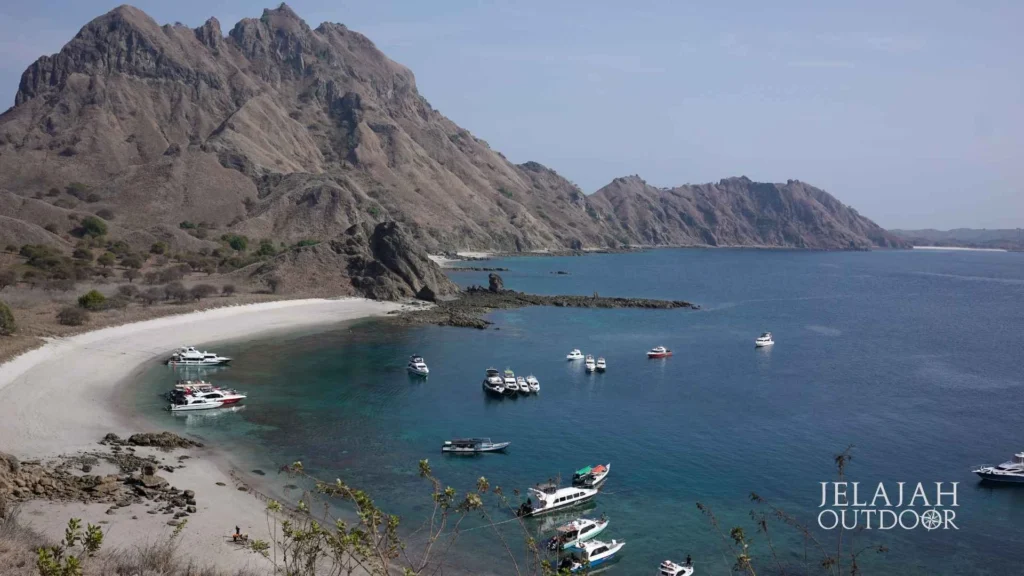
“Destination promotion should never move faster than destination readiness. Attracting more visitors must go hand in hand with the capacity to manage, protect, and respond to the risks that come with them.”
Indonesia is blessed with extraordinary natural destinations. From dramatic coastal landscapes and waterfalls to remote islands and rich marine ecosystems, these places offer enormous opportunities for tourism, outdoor recreation, and experiential education.
For schools and outdoor education providers, these destinations are more than places to visit. They are potential learning environments where students can develop environmental awareness, resilience, confidence, and a deeper connection with nature.
[Outdoor Education for Schools]
However, behind the beauty of these destinations lies an important question that deserves more attention:
Are our tourism destinations adequately prepared to manage the risks associated with the activities taking place within them?
During recent reconnaissance visits and preliminary surveys for school trips to Ciletuh Geopark and Labuan Bajo, I had the opportunity to observe different aspects of destination management, particularly from the perspective of safety and risk management.
Although both destinations have different characteristics, infrastructure, and levels of tourism development, my observations highlighted a common concern: safety management at a destination level still needs considerable attention.
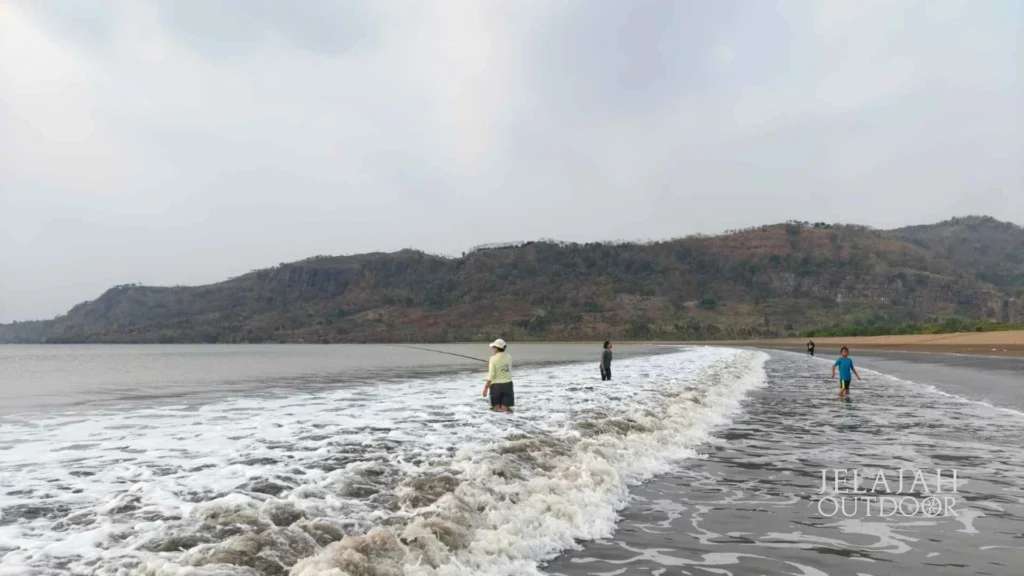
1. Ciletuh Geopark: Natural Potential Without Strong Visible Management Systems
Ciletuh Geopark has extraordinary natural potential. Its geological landscape, waterfalls, coastline, and surrounding communities provide excellent opportunities for nature-based tourism and outdoor education.
Yet, during our preliminary survey, several aspects of destination management raised concerns.
Uncoordinated spatial arrangement and site management
Some visitor areas appeared poorly organized, with layouts and facilities that did not seem to follow a clear management structure. The arrangement of visitor facilities, activity areas, and public spaces could benefit from better planning and coordination.
Poor waste management
Waste management was another visible concern. In several areas, waste handling did not appear to be managed systematically. This not only affects the visitor experience but also creates environmental and potentially physical safety concerns.
Limited visible safety regulations and supervision
We did not observe clearly communicated safety regulations or an established system of visitor safety supervision. Safety personnel, such as lifeguards in relevant water-based areas, were not visibly present during our survey.
Lack of coordinated destination governance
Perhaps the most important observation was the apparent lack of coordination among the different parties involved in managing the destination.
Destination safety management requires more than individual businesses operating independently. It needs coordination between local government, destination management organizations, communities, tourism operators, and other relevant stakeholders.
Without clear roles, responsibilities, and operational standards, safety management can become fragmented.
The concern is not simply the absence of facilities or personnel. It is the absence of a visible, coordinated system that connects infrastructure, visitor management, environmental management, and safety.
2. Labuan Bajo: Infrastructure Development Does Not Automatically Mean Safety Readiness
Labuan Bajo presents a different picture.
Compared with Ciletuh, the destination appears to have benefited from more substantial infrastructure development and a more established tourism coordination structure.
Road access, tourism facilities, marine tourism infrastructure, and destination development initiatives are more visible.
However, during our preliminary survey, it was also apparent that some aspects of destination development and operational readiness still needed further attention.
One particularly important concern relates to safety management in marine-based activities.
Safety responsibilities largely remain with individual operators
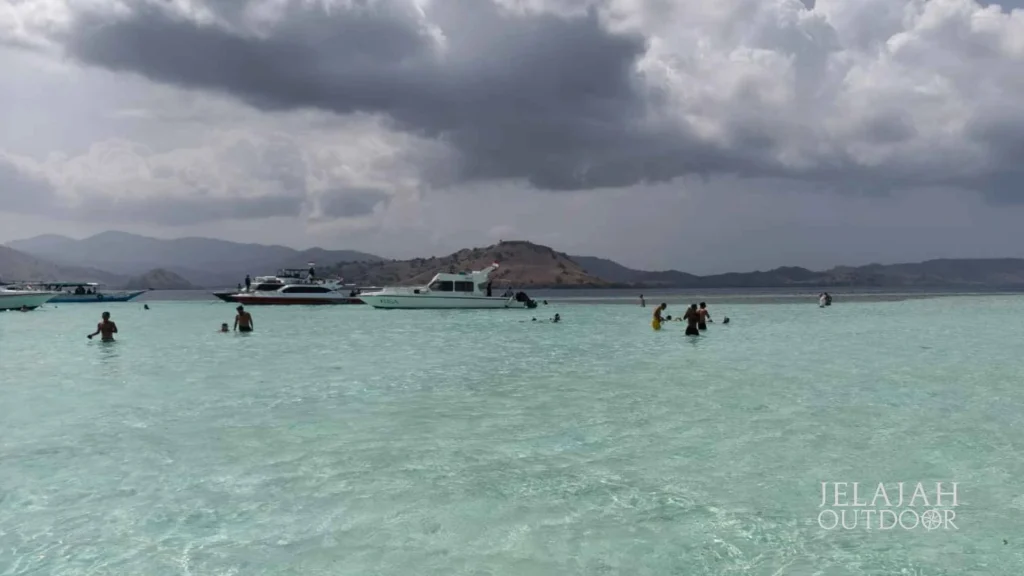
For activities such as island hopping and snorkeling, safety regulations and operational safety arrangements appear to depend heavily on individual activity operators.
While operators certainly have an important responsibility to manage the risks of their activities, destination-level safety management should not stop there.
A destination that accommodates thousands of visitors engaging in water-based activities should have a broader safety framework that establishes minimum safety expectations, supervision standards, and emergency response arrangements.
Limited visible safety personnel
During our survey, we did not observe dedicated safety personnel, such as lifeguards or destination-level water safety teams, in the areas we visited.
This raises an important question about who is responsible for monitoring general visitor safety, particularly in popular marine recreation areas.
Marine activities with significant exposure to risk
Island hopping and snorkeling are often perceived as relatively easy recreational activities. However, the actual operating environment can be quite challenging.
Marine environments involve multiple hazards, including:
- Variable water depths and underwater terrain.
- Strong currents and changing sea conditions.
- Weather changes and reduced visibility.
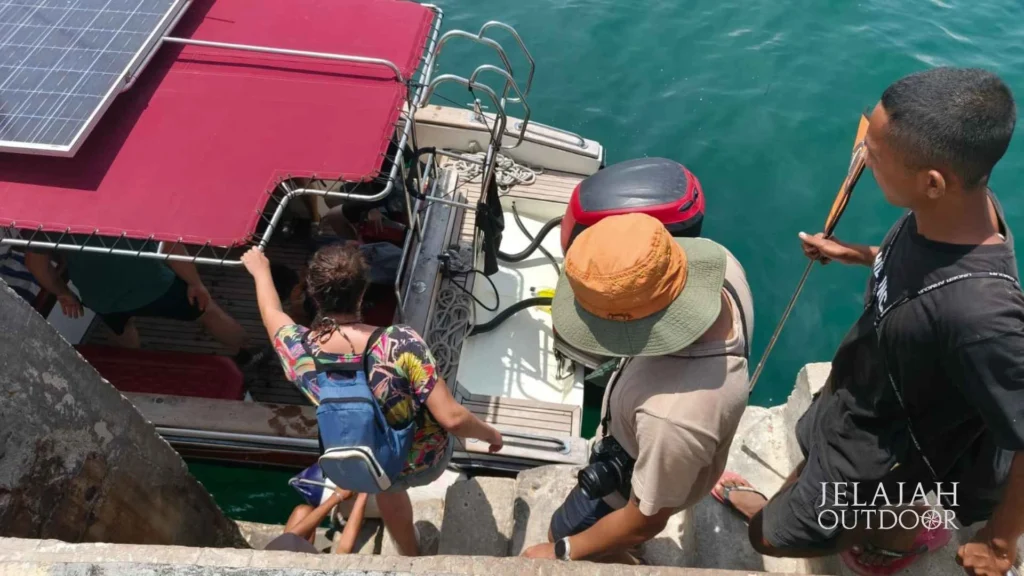
- Boat transfers and embarkation or disembarkation risks.
- Differences in swimming ability and physical condition among participants.
- Potential separation from the group or difficulty returning to the boat.
During our observations, the visible implementation of safety measures in some marine activity operations appeared minimal compared with the potential risks involved.
In environments where water depth, currents, and changing sea conditions can significantly affect participant safety, relying primarily on visitors to manage themselves is not an adequate safety strategy.
Visitors, particularly children and teenagers participating in school trips, cannot be expected to independently recognize and manage all the risks associated with marine activities.
Safety should never depend solely on the visitor’s ability to protect themselves.
3. The Missing Link: Destination-Level Safety Management
These two destinations demonstrate different stages of tourism development, but they highlight a similar challenge: the need to strengthen safety management beyond the boundaries of individual tourism businesses.
There is an important distinction between activity-level safety management and destination-level safety management.
Activity-level safety focuses on how an operator manages the risks of a particular activity. For example, a snorkeling operator should have appropriate equipment, trained guides, participant briefings, supervision, emergency procedures, and rescue capabilities.
Destination-level safety, on the other hand, considers the wider environment in which these activities take place.
It includes:
1. Destination Safety Governance
Clear roles and responsibilities among local government, destination managers, tourism operators, communities, and emergency services.
2. Safety Regulations and Minimum Standards
Established safety requirements for different activities, visitor areas, and operational environments. These should be communicated, monitored, and consistently implemented.
3. Safety Personnel and Supervision
Adequate safety personnel, including lifeguards, water safety teams, first responders, and other trained personnel, based on the risks and characteristics of each destination.
4. Emergency Preparedness and Response
A coordinated emergency response system, including communication protocols, evacuation arrangements, rescue resources, medical support, and referral systems.
5. Visitor Information and Risk Communication
Clear information about potential hazards, activity requirements, environmental conditions, and visitor responsibilities.
6. Environmental and Facility Management
Proper waste management, organized visitor facilities, safe access routes, signage, and infrastructure maintenance.
These components should work together as part of an integrated destination safety management system.
4. Why This Matters for School Trips and Outdoor Education
For school trips, these considerations become even more important.
Students are not simply tourists. They are participants in structured learning experiences, often engaging in activities that involve unfamiliar environments, physical challenges, and varying levels of exposure to risk.
Schools and program providers have a duty to ensure that learning opportunities are delivered within an appropriately managed risk environment.
This requires more than checking whether an activity operator has a boat, life jackets, or a guide.
Before selecting a destination, we need to consider several questions:
- Is there a clear destination management structure?
- Are safety regulations established and communicated?
- Are activity operators implementing appropriate safety standards?
- Are qualified safety personnel available where needed?
- Is there an effective emergency response and evacuation system?
- Are local medical facilities and emergency services accessible?
- Are weather, water conditions, and environmental hazards monitored?
- Is there a clear coordination mechanism between schools, program providers, operators, and destination management?
These questions are part of the preliminary survey and risk assessment process.
A destination’s attractiveness should never be the only consideration when selecting a location for an educational outdoor program.
The destination’s capacity to support safe operations must also be evaluated.
[Mengapa Manajemen Risiko Destinasi Wisata Alam Penting di Indonesia?]
5. Moving from Individual Responsibility to Shared Responsibility
One of the biggest challenges in tourism safety is the tendency to place most of the responsibility on individual activity operators or, sometimes, on visitors themselves.
Operators are responsible for the activities they provide. Visitors also have responsibilities to follow instructions and respect safety regulations.
However, neither should carry the entire burden.
Destination safety requires shared responsibility.
Local government needs to establish appropriate policies and oversight. Destination managers need to coordinate visitor management and safety systems. Operators need to implement operational safety standards. Emergency services need to be integrated into preparedness and response planning.
Most importantly, these responsibilities need to be connected through a functioning system.
Safety should not be something that is only discussed after an accident happens.
It should be designed into destination planning, infrastructure development, operational procedures, and everyday visitor management.
6. What Can We Do as Outdoor Adventure and Education Program Providers?
As outdoor adventure and education program providers, we cannot always control how a destination is managed. We may not have the authority to establish destination regulations, provide public safety personnel, or improve the overall infrastructure.
However, this does not mean that we should simply accept the existing conditions and transfer the risks to our participants.
Our responsibility is to understand the environment in which we operate and establish appropriate safety measures within our own operational capacity.
In fact, when destination-level safety management is still developing, the responsibility of program providers to conduct thorough preparation becomes even more significant.
Here are several practical approaches we can implement.
[Structured Safety System for Outdoor Programs in Indonesia]
1. Conduct Independent Destination Reconnaissance and Risk Assessment
Do not rely solely on promotional information, destination websites, or assurances from local operators.
Conduct an independent reconnaissance or preliminary survey before bringing participants to a destination.
Look beyond the beauty of the location and assess its operational conditions:
- Access routes, terrain, facilities, and potential hazards.
- Environmental conditions, including weather, tides, currents, and water depth.
- Availability of emergency access and evacuation routes.
- Communication coverage and emergency contact arrangements.
- Availability of medical facilities, rescue resources, and emergency services.
- General site management, cleanliness, visitor arrangements, and potential conflicts between activities.
For school trips, this assessment should consider the age, physical capabilities, experience, and specific needs of the participants.
The findings should be documented and translated into a practical risk assessment, rather than remaining as informal observations.
2. Establish Your Own Minimum Safety Standards
Do not assume that the destination or local activity operator has already established adequate safety procedures.
Develop minimum operational safety standards for every activity included in your program.
For example, for snorkeling activities, these may include:
- Mandatory and appropriately fitted personal flotation devices for participants who need them, with clear requirements based on swimming ability and conditions.
- Qualified and appropriately equipped water safety personnel.
- Participant swimming ability assessment.
- Safety briefing and demonstration before entering the water.
- Defined supervision ratios based on environmental risk and participant capability.
- Clear boundaries for swimming areas.
- Monitoring of sea conditions and current strength.
- Rescue equipment, communication devices, and emergency response arrangements.
- Headcounts and buddy systems.
These requirements should be established before the activity takes place and communicated to local operators as part of the operational agreement.
If an operator cannot meet the minimum safety requirements, the activity should be modified, replaced, or cancelled.
3. Evaluate and Work Closely with Local Operators
Local operators are essential partners. They understand the destination, local conditions, access routes, and operational challenges.
However, local knowledge should complement, not replace, a structured safety management process.
Before engaging an operator, evaluate their operational capacity:
- Do they have documented safety procedures?
- Are their guides trained in first aid and emergency response?
- Are boats equipped with appropriate safety equipment?
- Are life jackets available in sufficient quantities and suitable sizes?
- Is there a clear emergency communication system?
- Do they monitor weather and sea conditions before and during operations?
- Can they demonstrate their rescue and evacuation capabilities?
Conduct a pre-activity coordination meeting to establish responsibilities between the program provider, local operator, school representatives, and other relevant parties.
Make sure that everyone understands who is responsible for supervision, decision-making, emergency communication, rescue coordination, and participant accountability.
4. Develop an Emergency Response Plan Before the Program Starts
Risk assessment should always be connected to emergency preparedness.
We need to ask not only, “What could go wrong?” but also, “What will we do if it happens?”
For each activity and destination, establish an emergency response plan that considers realistic scenarios.
For example:
- A participant experiencing distress or drowning during snorkeling.
- A participant becoming separated from the group.
- Sudden weather deterioration during island hopping.
- A boat experiencing mechanical failure.
- An injury in a remote or difficult-to-access location.
- A medical emergency requiring evacuation to the nearest appropriate healthcare facility.
The plan should include emergency contacts, communication procedures, designated response personnel, evacuation routes, medical facilities, and alternative arrangements.
Where possible, conduct a briefing or tabletop exercise with the operational team before the program begins.
5. Establish Clear Go / No-Go Decision Criteria
One of the most important responsibilities of an outdoor program provider is knowing when not to proceed.
Beautiful weather in the morning does not guarantee safe conditions throughout the day. Similarly, an activity being offered by a local operator does not automatically mean it is appropriate for our group.
Establish clear operational thresholds for activities based on environmental conditions, participant capability, available supervision, and emergency readiness.
For marine activities, this includes monitoring weather forecasts, wind, waves, currents, tides, visibility, and relevant local marine advisories.
There should be clear authority within the team to modify, postpone, or cancel an activity when conditions exceed acceptable limits.
The ability to cancel an activity is also an important part of professional risk management.
6. Prepare Participants, Teachers, and Facilitators
Safety is a shared responsibility, and everyone involved needs to understand their role.
For school programs, this means preparing not only the students but also teachers, facilitators, guides, and local operators.
Participants should receive appropriate information about:
- Environmental hazards and activity limitations.
- Required equipment and how to use it.
- Expected behaviour and safety rules.
- Group boundaries and buddy systems.
- Emergency signals and communication procedures.
- What to do when they feel uncomfortable, tired, or unsafe.
However, participant awareness should never become a substitute for adequate supervision and operational safety systems.
Children and teenagers, in particular, must not be expected to manage significant environmental risks independently.
7. Monitor, Review, and Improve During Operations
Risk management is not a document prepared before departure and then forgotten.
Conditions can change, new hazards can emerge, and operational arrangements may not always work as expected.
Conduct regular safety checks, daily operational briefings, environmental monitoring, and post-activity reviews.
Record incidents, near misses, unsafe conditions, and corrective actions.
These observations become valuable information for improving future programs and making better decisions about destination selection and operator partnerships.
Closing Reflection: Beautiful Destinations Deserve Better Safety Systems
Ciletuh Geopark and Labuan Bajo have tremendous potential for nature-based tourism and outdoor education. Their natural and cultural richness deserves to be protected and developed responsibly.
However, sustainable tourism should not be measured only by visitor numbers, infrastructure, or economic growth, but also by how well a destination protects its visitors, local communities, environment, and people working within it.
As outdoor education and risk management practitioners, these visits reinforced an important principle:
A safe activity does not begin with a safety briefing. It begins with how a destination is planned, managed, monitored, and prepared to respond when things go wrong.
We may not be able to control the entire destination management system, but we are responsible for the decisions we make: how we assess risks, select local partners, establish operational standards, prepare our teams, and determine whether an activity should proceed.
We should also use our experience to encourage better safety practices and stronger collaboration with operators and destination stakeholders.
Ultimately, safety is not solely the responsibility of the destination or the activity operator. It is a shared responsibility that requires commitment at every level.
Beautiful destinations deserve more than visitors. They deserve responsible management, a strong safety culture, and systems that allow people to experience nature without unnecessarily compromising their safety.
And as outdoor program providers, we should not wait for these systems to be fully established before taking responsibility. We must bring professional risk management into every destination where we choose to operate.
Sandi Taruni is the Founder and Director of Jelajah Outdoor, with experience in Outdoor Education, Experiential Learning, and Outdoor Risk Management. Her work focuses on developing structured outdoor learning programs and strengthening safety systems for organizations, schools, and outdoor activity providers.