
Strengthening Outdoor Safety and Remote Emergency Response Skills
Pancawati, Bogor, Indonesia — Jelajah Outdoor successfully delivered a two-day Wilderness First Aid Training for instructors from Where There Be Dragons, an organization known for providing immersive educational travel and outdoor learning experiences around the world.
Held in the outdoor learning environment of Pancawati, Bogor, the training focused on developing critical remote emergency response, outdoor safety, and risk management competencies required by field instructors operating in remote and wilderness settings.
The course was facilitated by Jelajah Outdoor’s Program and Safety Team, consisting of Dr. Theza Pellondou, Sandi Taruni, and Wigoto Prihadi, who collectively bring extensive experience in outdoor leadership, wilderness medicine, expedition management, and risk management for outdoor programs.
As outdoor education programs continue to expand globally, the demand for instructors who can confidently respond to emergencies in remote environments has never been greater. This Wilderness First Aid Training was designed to equip participants with the practical skills and decision-making frameworks necessary to manage incidents when professional medical assistance may be hours away.
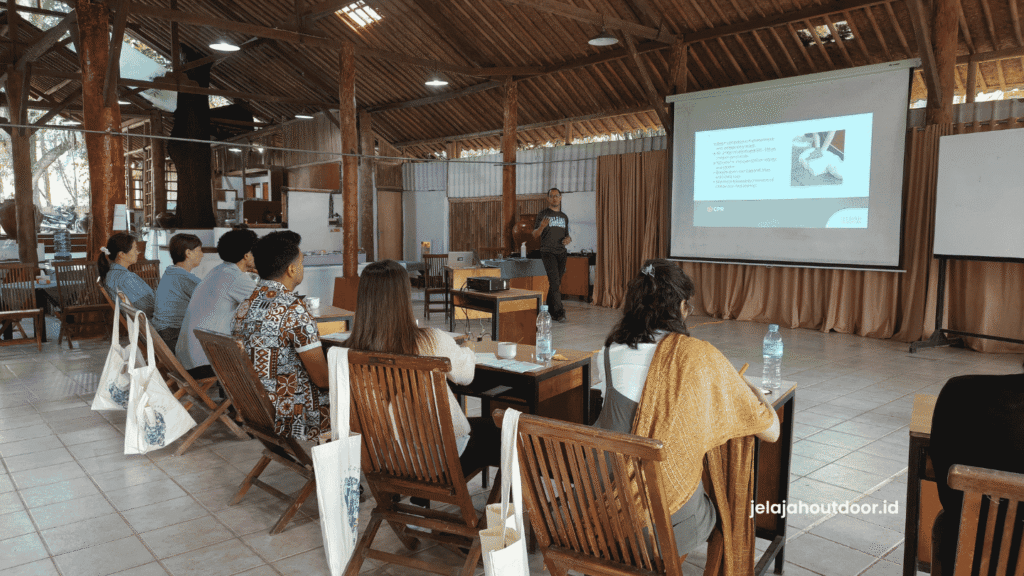
Preparing Outdoor Educators for Remote Environments
Unlike conventional first aid courses that assume rapid access to hospitals or emergency medical services, Wilderness First Aid focuses on patient care in environments where resources, communication systems, and evacuation options may be limited.
For instructors leading educational expeditions, cultural immersion programs, and outdoor learning experiences, the ability to assess and manage medical situations in the field is a critical component of outdoor safety training.
Throughout the two-day course, participants explored the unique challenges associated with delivering care in remote settings. Topics included patient assessment, trauma management, environmental emergencies, decision-making under uncertainty, and evacuation planning.
Participants learned how to evaluate not only the medical condition of a patient but also the broader context surrounding an incident. Factors such as weather conditions, terrain, available resources, group dynamics, communication capability, and evacuation timelines all influence the decisions that outdoor leaders must make in the field.
This approach reflects a core principle of risk management for outdoor programs: effective emergency response requires both technical skills and sound judgment.
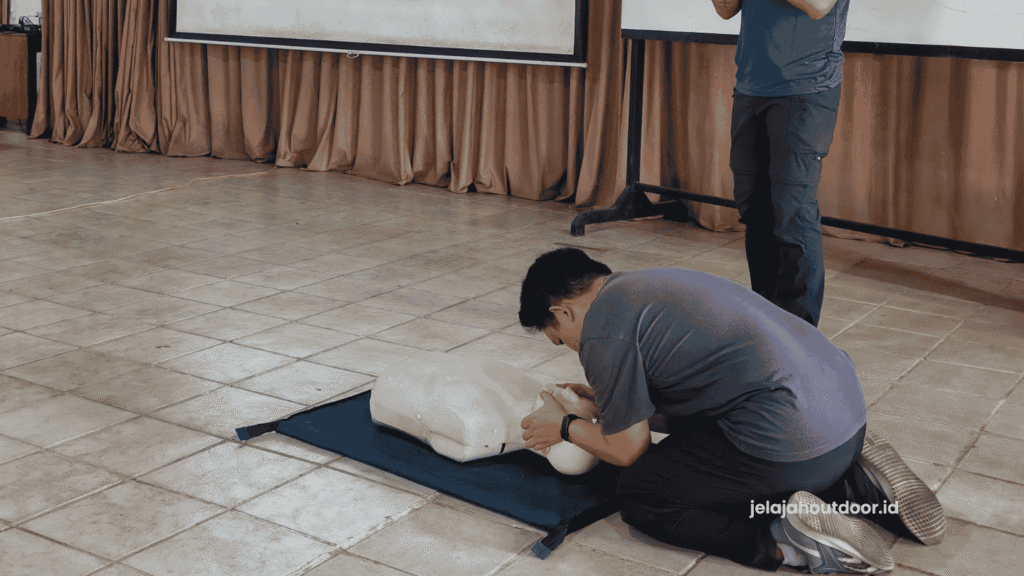
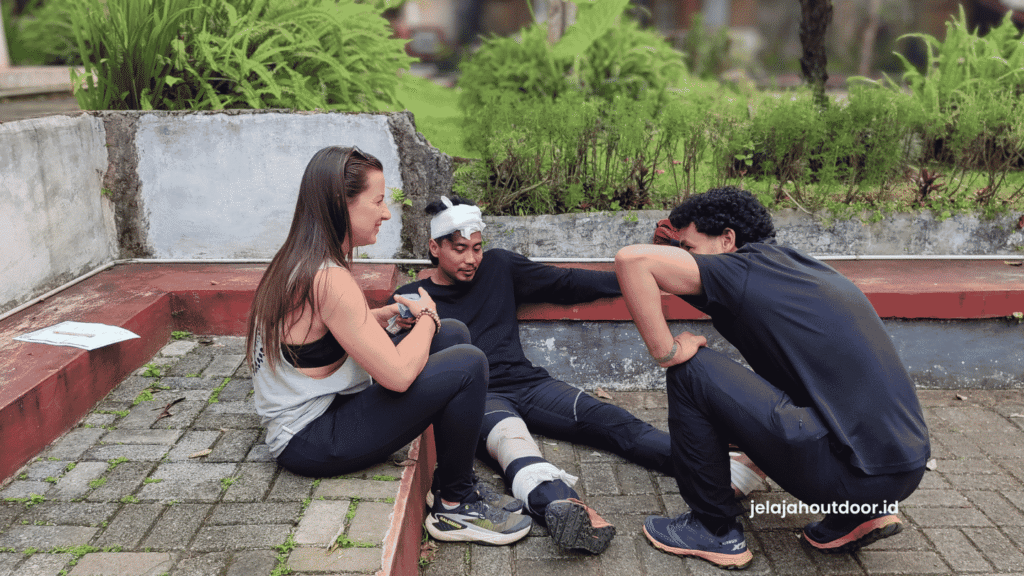
Learning Through Realistic Wilderness Emergency Scenarios
One of the most valuable components of the Wilderness First Aid Training was the emphasis on scenario-based learning.
Rather than relying solely on classroom lectures, participants engaged in practical exercises designed to simulate real incidents commonly encountered during expeditions and outdoor education programs.
The scenarios challenged instructors to assess patient conditions, identify priorities, communicate effectively, and make informed decisions while operating with limited resources.
Training activities included:
- Musculoskeletal injuries and fractures
- Heat illness and dehydration management
- Hypothermia and cold exposure incidents
- Respiratory emergencies
- Allergic reactions and anaphylaxis
- Patient monitoring and reassessment
- Emergency evacuation decision-making
- Leadership and communication during incidents
By working through realistic scenarios, participants gained hands-on experience applying wilderness medicine training principles in dynamic and often unpredictable situations.
The exercises also highlighted a fundamental reality of backcountry first aid: the consequences of an injury in a remote setting are often far greater than the injury itself. A relatively minor medical issue can become a significant emergency when evacuation routes are difficult, communication is limited, or environmental conditions deteriorate.
Building a Strong Safety Culture in Outdoor Education
Beyond emergency response skills, the training reinforced the importance of creating a proactive safety culture within outdoor education programs.
Organizations that operate in remote environments increasingly recognize that effective outdoor risk management extends beyond responding to incidents. It begins with identifying hazards, assessing risks, implementing controls, and preparing teams to make informed decisions when unexpected situations arise.
During discussions and practical sessions, participants explored how safety planning influences every stage of an outdoor program—from pre-trip preparation and participant screening to field operations and emergency response planning.
The instructors emphasized that safety is not a standalone activity but rather an integrated component of program design and leadership.
For organizations and outdoor education providers, whose instructors guide participants through diverse cultural and natural environments, strong safety systems are essential for delivering meaningful and responsible learning experiences.
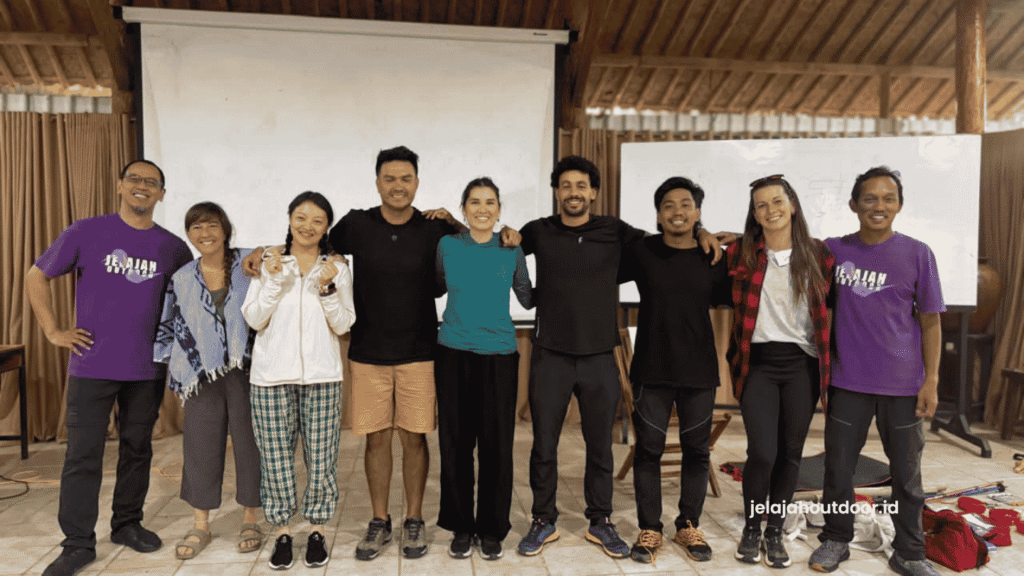
Collaboration and Shared Learning Among Outdoor Professionals
The training also created valuable opportunities for collaboration among experienced outdoor educators and field leaders.
Participants brought a wealth of experience from various educational and expedition contexts, contributing insights that enriched discussions throughout the course.
Through group exercises and scenario debriefings, instructors shared lessons learned from the field and examined different approaches to managing risk and responding to emergencies.
This collaborative learning environment reflects one of the key strengths of professional outdoor leadership training: the opportunity to combine technical knowledge with practical experience.
The active participation and engagement demonstrated by the instructors from Where There Be Dragons contributed significantly to the success of the program and highlighted their commitment to professional development and continuous improvement.
Advancing Wilderness First Aid and Outdoor Safety in Indonesia
As interest in outdoor education, adventure travel, and experiential learning continues to grow, the need for high-quality Wilderness First Aid Training and outdoor safety training is becoming increasingly important.
By providing internationally informed training programs rooted in practical field experience, Jelajah Outdoor aims to support outdoor organizations, educational institutions, guides, expedition leaders, and adventure professionals in developing safer and more effective programs.
The successful completion of this training in Pancawati, Bogor, represents another step toward strengthening professional standards in remote emergency response, wilderness medicine training, and risk management for outdoor programs.
Jelajah Outdoor extends its appreciation to all instructors from Where There Be Dragons for their enthusiasm, professionalism, and commitment to creating safer outdoor experiences.
As outdoor leaders continue to guide participants into remote and challenging environments, the principles taught through Wilderness First Aid Training remain essential: preparation, situational awareness, sound judgment, and the ability to respond effectively when it matters most.
Through ongoing collaboration, training, and knowledge sharing, organizations such as Jelajah Outdoor and Where There Be Dragons continue to advance the standards of outdoor safety, leadership, and responsible adventure education.
Contact 0858 8210 7460 for inquiries on Wilderness First Aid training and consultation for Outdoor Safety and Risk Management Programs with Jelajah Outdoor